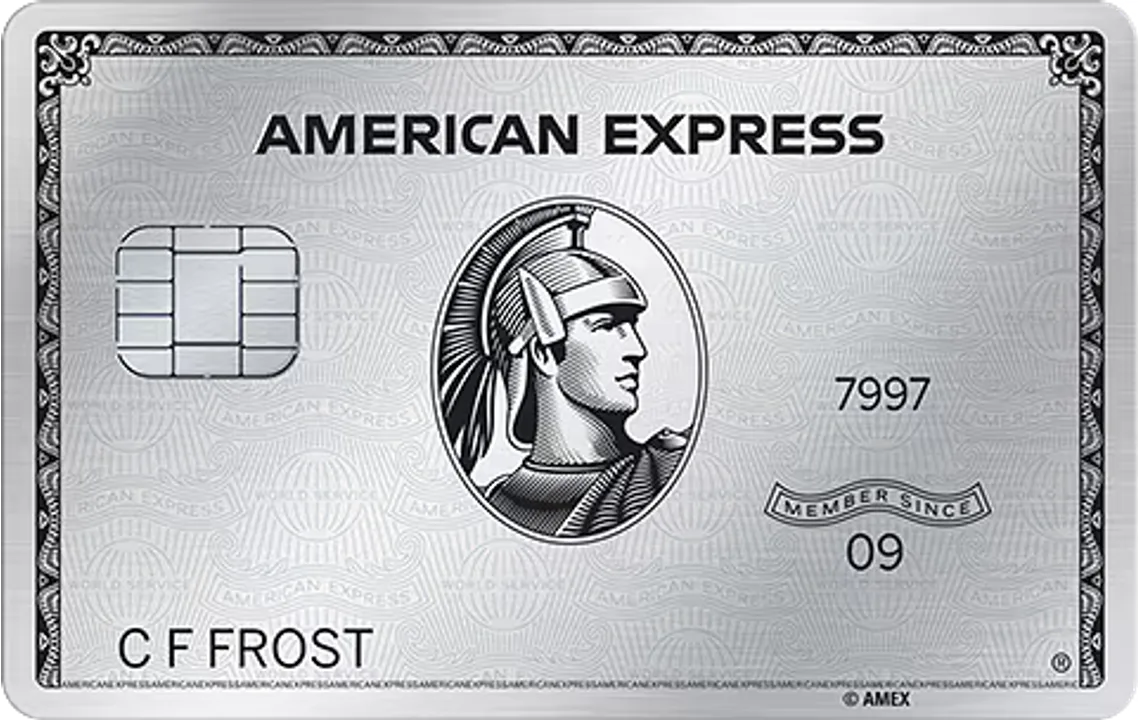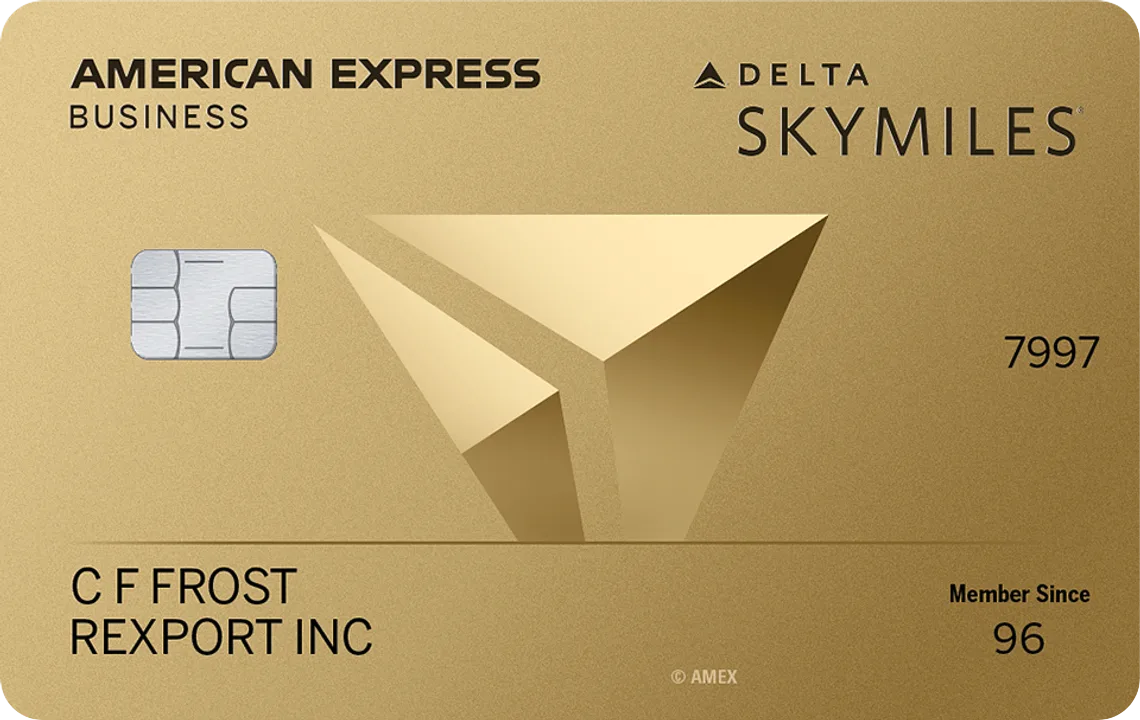
Chase Sapphire Reserve vs. United Business Card


Chase Sapphire Reserve
What it does better
- Chase Sapphire Reserve earns more at its top rate: about $12 per $100 spent in its highest-earning category, versus $10.40.
- Chase Sapphire Reserve includes lounge access.
- Chase Sapphire Reserve has the higher estimated welcome-offer value.
- Chase Sapphire Reserve includes elite status.
United Business Card
Choose this card if
- You want the higher first-year value after the annual fee.
- You want to pay less in annual fees; the other card costs at least $95 a year.
Fees, rewards, and benefits
Data updated November 25, 2026.
| Chase Sapphire Reserve | United Business Card | |
|---|---|---|
| Costs and APR | ||
| Annual fee | $795 | $150 |
| Foreign transaction fee | None | None |
| Purchase APR | 19.74% to 28.24% | 19.99% to 28.49% |
| Welcome offer | ||
| Current offer terms | 100,000 points after $6,000 spend in 3 months | 100,000 miles after $5,000 spend in 3 months |
| Estimated welcome-offer value | $1,500 | $1,300 |
| First-year value after annual fee | +$705 | +$1,150 |
| Rewards | ||
| Base earn rate | 1x | 1x |
| Peak earning rate | $12 per $100 8× Chase Ultimate Rewards | $10.40 per $100 8× United MileagePlus |
| Dining | 3x | 2x |
| Travel | 8x | 2x |
| Airfare | 4x | 8x |
| Hotels | 4x | 1x Base rate |
| Gas | 1x Base rate | 2x |
| Transit and rideshare | 1x Base rate | 2x |
| Reward currency | Chase Ultimate Rewards | United MileagePlus |
| Transferable points | Yes | No |
| Credits, travel, and protections | ||
| Recurring statement credits | Up to $2,084/year $120 DashPass Membership, $120 in Lyft credits, $120 in Peloton credits | Up to $620/year Up to $120 Annual Instacart Credit ($10/Month), $125 United Travel Credit, Up to $100 Annual JSX Statement Credit |
| Lounge access | Yes Chase Sapphire Lounge by The Club, Priority Pass Select | No |
| Travel insurance | Yes Baggage delay, Emergency evacuation and transportation, Lost luggage, Rental car collision damage waiver (primary), Travel accident insurance, Trip cancellation and interruption, Trip delay reimbursement | Yes Baggage delay, Lost luggage, Rental car collision damage waiver (primary), Travel accident insurance, Trip cancellation and interruption, Trip delay reimbursement |
| Elite status | Yes Platinum Elite | No 0 |
| Card and purchase protections | Extended Warranty Protection, Purchase Protection, Return Protection | Extended Warranty Protection, Purchase Protection |
| Credit and eligibility | ||
| Credit score needed | Excellent (750+) Typical range: 750-810 | 700+ personal credit score typically recommended Typical range: 680-850 |
| Pre-qualification | Pre-qualification with no effect on your credit score | No pre-qualification check |
| Additional cardholders | $195 Reported to credit bureaus, with conditions | Free Reported to credit bureaus, with conditions |
Annual fee and statement credit tradeoff
Chase Sapphire Reserve charges $645 more per year in annual fees than United Business Card ($795 vs. $150). Stated recurring credits total up to $2,084/year on Chase Sapphire Reserve and up to $620/year on United Business Card. Count only credits you would spend on anyway, since issuer credits often carry monthly caps or merchant restrictions.
Full review
Dollar values use one cents-per-point rate for each rewards currency, listed on the methodology page. The signup bonus calculator shows three estimates for a bonus.
Related comparisons
Other popular matchups involving these cards.