Blue Cash Everyday Card from American Express vs. Chase Sapphire Reserve
On the criteria below, Chase Sapphire Reserve wins 4 of 5. The verdict depends on which criteria matter to you.
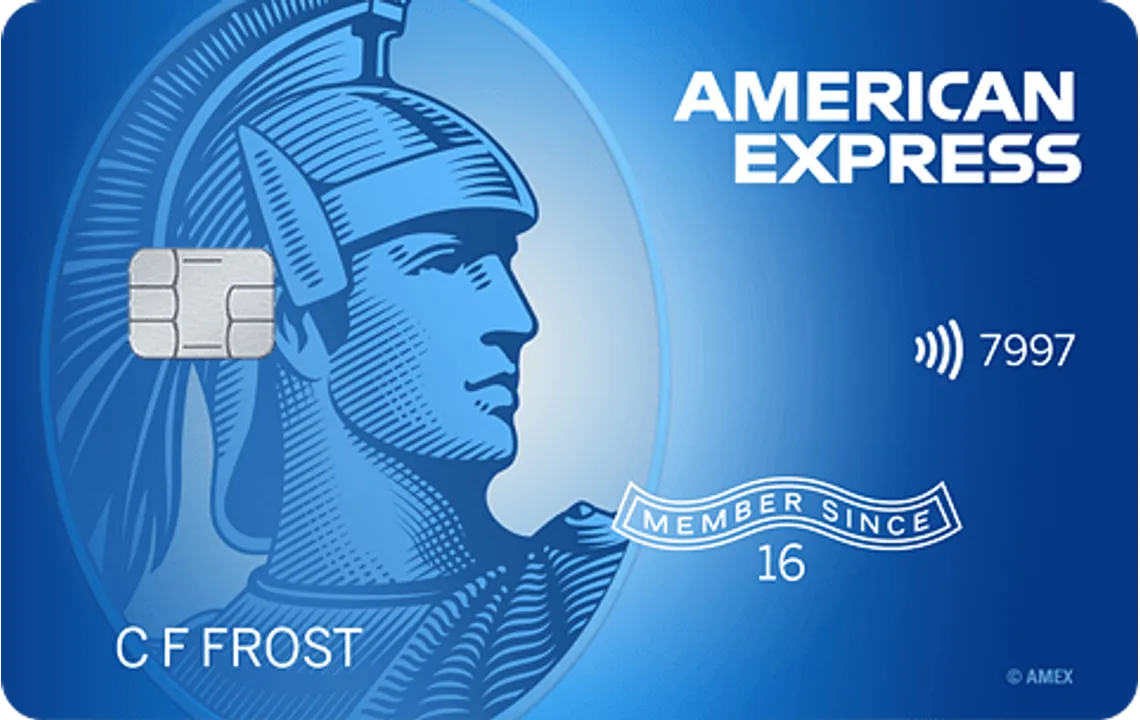
Blue Cash Everyday Card from American Express
Amex

Chase Sapphire Reserve
Chase
Chase Sapphire Reserve wins 4 of 5 criteria here, making it the stronger all-rounder.
Blue Cash Everyday Card from American Express wins on annual fee; Chase Sapphire Reserve wins on first-year math, earning ceiling, lounge access, and foreign transactions.
Pick the Chase Sapphire Reserve if year-one math is your priority; take the Blue Cash Everyday Card from American Express if you want a cheaper card to keep long-term.
Who wins what
1 vs 4- First-year math Chase Sapphire Reserve
Chase Sapphire Reserve wins on bonus value minus annual fee.
- Annual fee Blue Cash Everyday Card from American Express
Blue Cash Everyday Card from American Express is $795 cheaper to keep.
- Earning ceiling Chase Sapphire Reserve
Chase Sapphire Reserve earns more on its best category (8× vs 3×).
- Lounge access Chase Sapphire Reserve
Chase Sapphire Reserve includes lounge access; the other doesn't.
- Foreign transactions Chase Sapphire Reserve
Chase Sapphire Reserve has a lower (or zero) foreign transaction fee.
By the numbers
- Annual fee
- Free
- $795
- Welcome offer (typical value)
- $200
- $1,700
- First-year net
- +$200
- +$905
- Peak earning rate
- 3×
- 8×
- Top categories
- Gas, U.S. Online Retail, U.S. Supermarkets
- Chase Travel, Dining, Flights Direct
- Lounge access
- No
- chase-sapphire-lounge, priority-pass
- Travel insurance
- Yes
- Yes
- Elite status
- No
- Yes
- Foreign transaction fee
- 2.70%
- None
- Reward currency
- Cashback
- Chase Ultimate Rewards
Welcome-offer dollar values use each program's typical-tier valuation from our signup bonus calculator. See the methodology page for sourcing details.