


Fee and credit math for top cards
The table below compares five major transferable-points and premium bank travel cards using verified annual fees and stated recurring credits from ccdeck's database. The fourth column shows what your effective annual fee looks like if you naturally use half of the stated recurring credits:
| Card | Annual fee | Stated recurring credits | Net fee at 50% credit use | Lounge access |
|---|---|---|---|---|
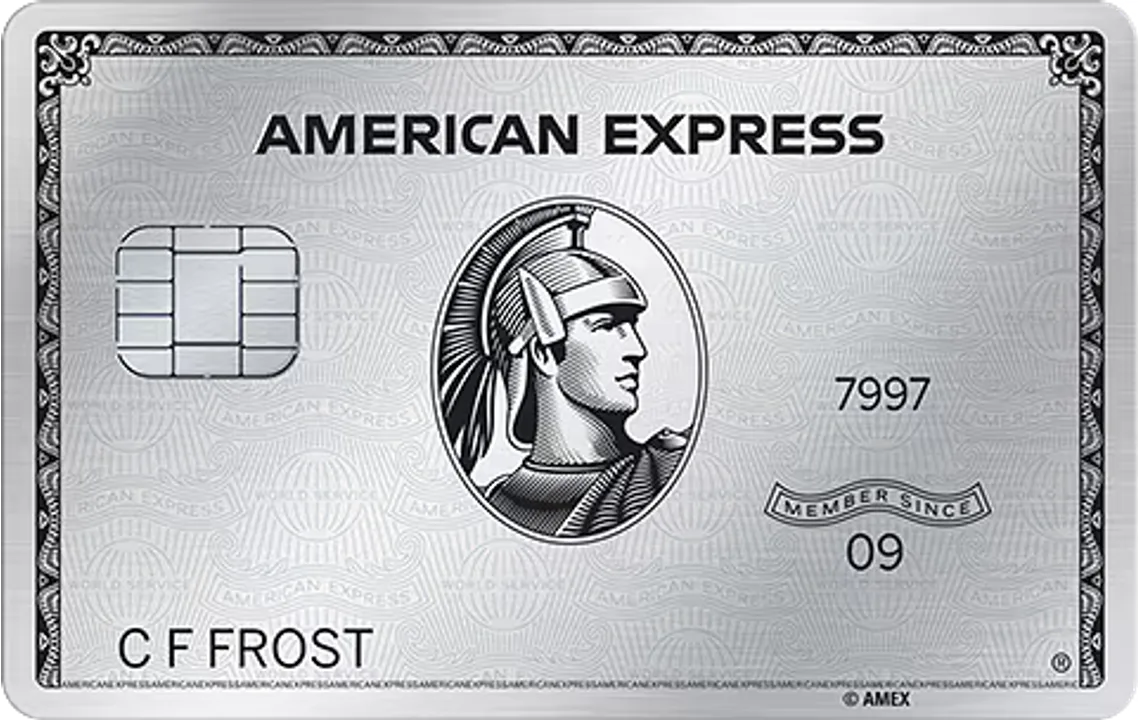
| The Platinum Card from American Express | $895 | Up to $3,094/yr | $0 (offset) | Centurion Lounges, Delta Sky Club, Priority Pass Select |
| Chase Sapphire Reserve | $795 | Up to $2,084/yr | $0 (offset) | Chase Sapphire Lounge by The Club, Priority Pass Select |
| Citi Strata Elite Card | $595 | Up to $875/yr | $157.50 | Admirals Club |
| Bank of America Premium Rewards Elite credit card | $550 | Up to $480/yr | $310 | Priority Pass Select |
| Capital One Venture X Rewards Credit Card | $395 | Up to $430/yr | $180 | Capital One Lounges, Priority Pass Select |
Notice the structural difference between high-fee coupon cards and simpler credits: the Capital One Venture X charges $395 and packages most of its recurring offset into one annual travel portal credit plus anniversary miles, while the Platinum Card from American Express ($895) and Chase Sapphire Reserve ($795) spread larger credit totals across more individual merchants and calendars.
How to discount statement credits
To keep break-even math honest, assign each credit one of three weights before counting it against an annual fee:
- 100% value (automatic travel offsets): Broad annual travel credits or anniversary points that apply to flights or hotels you already book once a year.
- 50% value (monthly merchant credits): Credits broken into monthly or semi-annual slices at specific rideshare, dining, or streaming partners. Miss two months or pay a markup and half the headline value disappears.
- 0% value (induced spending): Credits for luxury hotels, clubs, or retailers you would not pay for out of pocket without the card. Spending $200 extra to trigger a $100 statement credit costs you $100; it does not save you $100.
Airport lounges and trip coverage
After subtracting realistic credits, judge the remaining net fee against airport lounge visits and trip protections:
- Airport lounges: If a card leaves you with a $200 net fee and you fly four round trips a year (eight departures), lounge visits need to save or feel worth $25 per departure. Compare network availability at your home airport on our best airport lounge credit cards page.
- Primary rental car coverage and trip delay insurance: Renting cars three or four times a year with primary collision damage waiver coverage can save $15 to $30 per rental day compared with counter insurance.
- Authorized user costs: If a spouse or travel partner needs their own lounge card, factor in the authorized-user fee listed in each card's Rates and Fees table.
When a $95 card is the better pick
If you take one or two trips a year, do not visit airport lounges, or dislike tracking monthly credit calendars, a $95 travel card like the Chase Sapphire Preferred or Capital One Venture usually keeps more value in your pocket after year one.
Compare the flagship matchups head to head before choosing:
- The Platinum Card from American Express vs. Capital One Venture X
- Capital One Venture X vs. Chase Sapphire Reserve
- The Platinum Card from American Express vs. Chase Sapphire Reserve
You can also compare first-year bonus value against the fee in the signup bonus value calculator or browse all best travel credit cards. This guide is for informational purposes only and is not financial advice; confirm current credit terms and enrollment rules on the issuer's site before applying.